
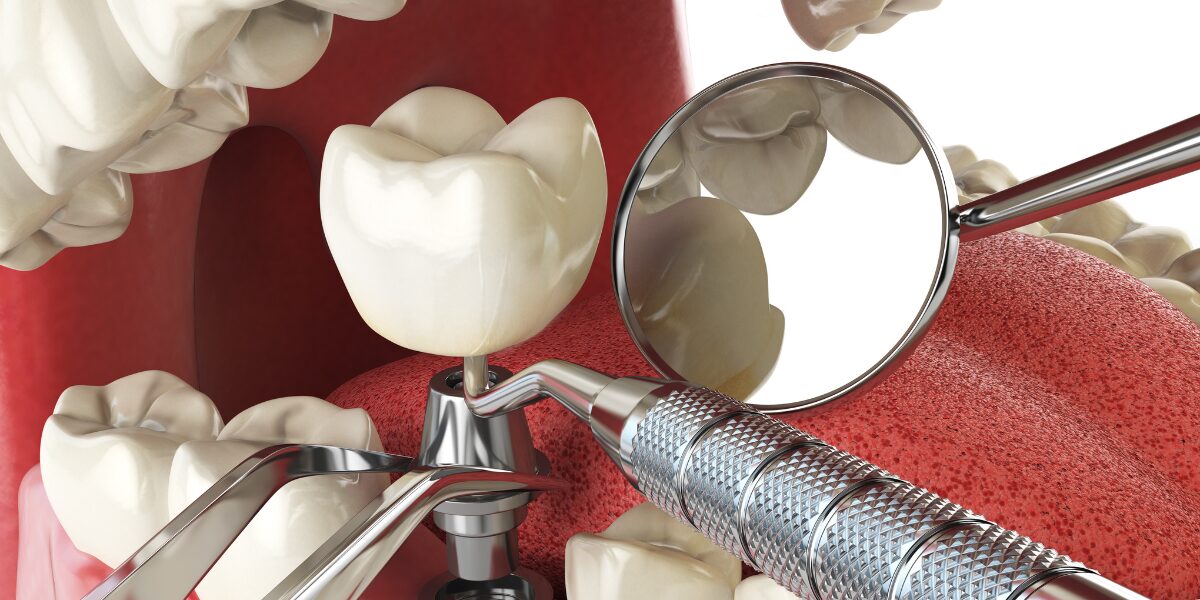
A strong and healthy smile is more than just an aesthetic asset; it’s a crucial part of your overall health. When you lose a tooth, the gap left behind is more than just a space; it can lead to significant changes in the health of your jawbone. Dental implants offer a solution that not only fills in that gap but also plays a vital role in preserving bone health. Understanding how dental implants impact bone health can help you appreciate why this option is often the best choice for those missing one or more teeth.
The Connection Between Teeth and Bone Health
Teeth are anchored in the jawbone by roots, and these roots do more than just hold your teeth in place – they stimulate the bone. Every time you chew, the pressure exerted on your teeth sends signals to the surrounding bone tissue, encouraging it to maintain its density and strength. When a tooth is lost, this stimulation stops, leading to a gradual process known as bone resorption, where the bone tissue begins to break down and diminish.
Bone resorption is a natural response to tooth loss, but it can lead to significant changes in the shape of your jaw over time. The jawbone can lose height and width, which may alter your facial structure, making you appear older. Additionally, bone loss can make it difficult to place dental implants later on, which is why addressing tooth loss promptly is essential.
How Dental Implants Support Bone Health
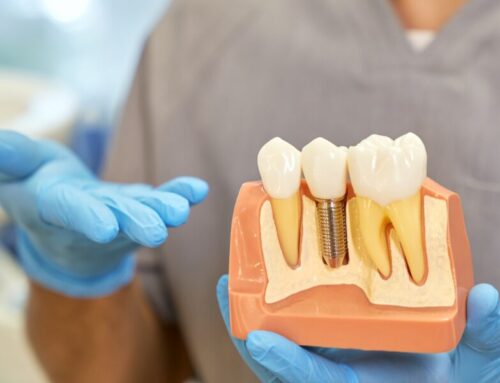
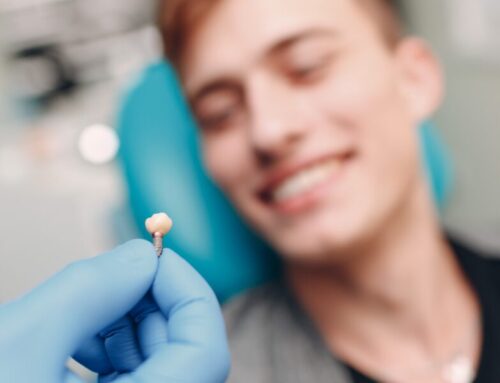
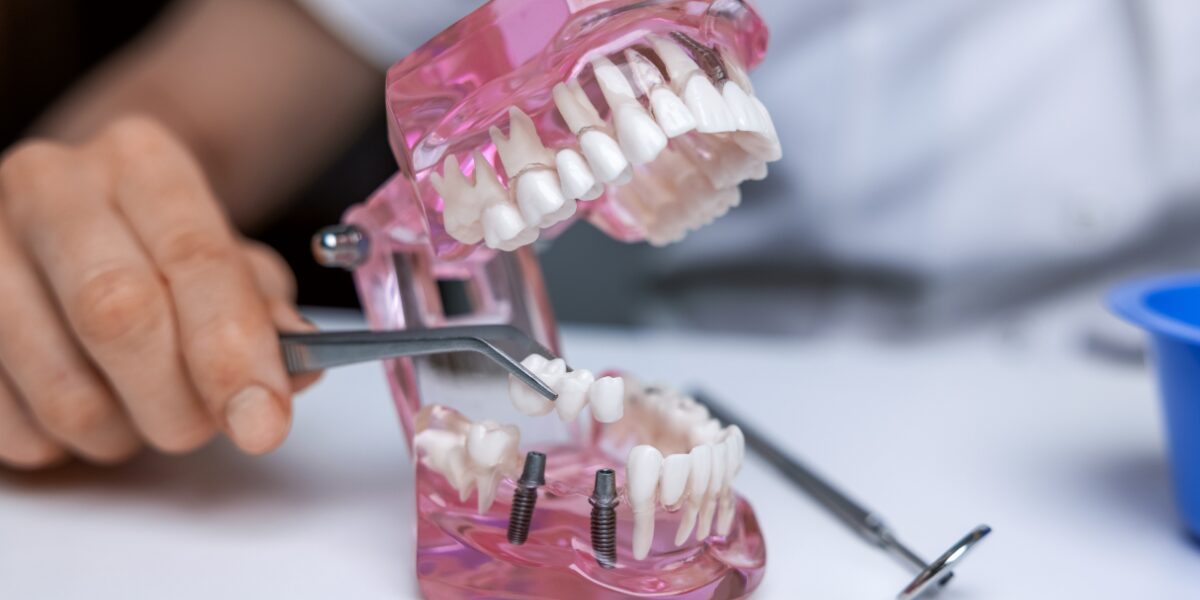
Dental implants are designed to mimic the natural structure of a tooth. The implant itself is a small, titanium post that is surgically placed into the jawbone, acting as an artificial tooth root. Over time, the bone integrates with the titanium through a process called osseointegration, which helps secure the implant in place.
This integration is crucial because it allows the dental implant to function like a natural tooth root, providing the necessary stimulation to the bone. The pressure from chewing on the implant encourages the bone to maintain its density and strength, preventing the bone loss that typically occurs after tooth loss.
In contrast to other tooth replacement options, such as dentures or bridges, dental implants provide a long-term solution that supports bone health. Dentures, for example, rest on top of the gums and do not interact with the bone in the same way, leading to continued bone resorption over time. Similarly, bridges rely on adjacent teeth for support and do not address the underlying bone structure.
The Long-Term Benefits of Dental Implants
One of the most significant long-term benefits of dental implants is their ability to preserve bone health and prevent the changes in facial structure associated with bone loss. By maintaining the integrity of the jawbone, dental implants help you retain a more youthful appearance and avoid the sunken look that often accompanies significant bone resorption.
Moreover, dental implants offer stability and comfort that other tooth replacement options cannot match. Because they are anchored directly into the jawbone, implants do not shift or move, allowing you to eat, speak, and smile with confidence. This stability also reduces the risk of further dental issues, such as the misalignment of remaining teeth or the development of bite problems.
Dental Implants and Overall Oral Health
Beyond bone health, dental implants contribute to overall oral health. When a tooth is lost, the surrounding teeth can shift, leading to misalignment and potential bite problems. Dental implants fill the gap left by the missing tooth, preventing neighboring teeth from moving out of place. This preservation of natural tooth alignment reduces the risk of further complications, such as difficulty chewing or increased wear on certain teeth.
Additionally, dental implants do not require the alteration of adjacent teeth, unlike bridges, which often require the filing down of neighboring teeth to support the prosthetic. This means that dental implants allow you to maintain more of your natural tooth structure, contributing to better long-term oral health.
The Role of Dental Implants in Improving Quality of Life
The impact of dental implants extends beyond physical health to improving your quality of life. Missing teeth can affect your self-esteem and confidence, making you reluctant to smile or speak in social situations. Dental implants restore not only the function of your teeth but also your confidence in your appearance.
With dental implants, you can enjoy your favorite foods without worrying about discomfort or embarrassment. The secure fit of implants means you don’t have to deal with the inconvenience of removable dentures or the limitations that come with missing teeth. The ability to eat, speak, and smile naturally can have a profound effect on your overall well-being.
Dental implants offer a comprehensive solution that addresses both the aesthetic and functional aspects of tooth loss. By preventing bone loss and supporting overall oral health, dental implants help you maintain a strong, healthy smile that will last for years. If you are considering dental implants, consult with a specialist at Innova Implant Center to explore your options and take the first step toward restoring your smile.



Leave A Comment