

Dental implants offer a permanent solution for replacing missing teeth, making them an appealing option for many people. If you’re considering implants, you might be wondering if you’re a good candidate for the procedure. Dental implants are highly effective, but not everyone is automatically suitable for them. Understanding the factors that determine your eligibility can help you make an informed decision. Here’s what you need to know to determine if dental implants are the right choice for you.
What Are Dental Implants?
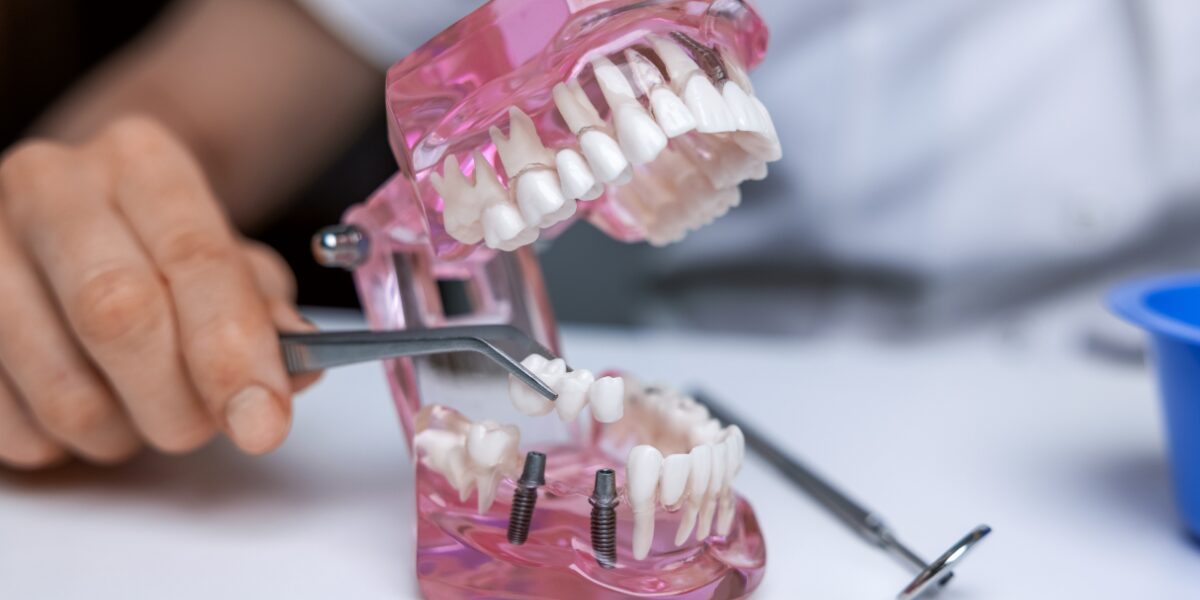
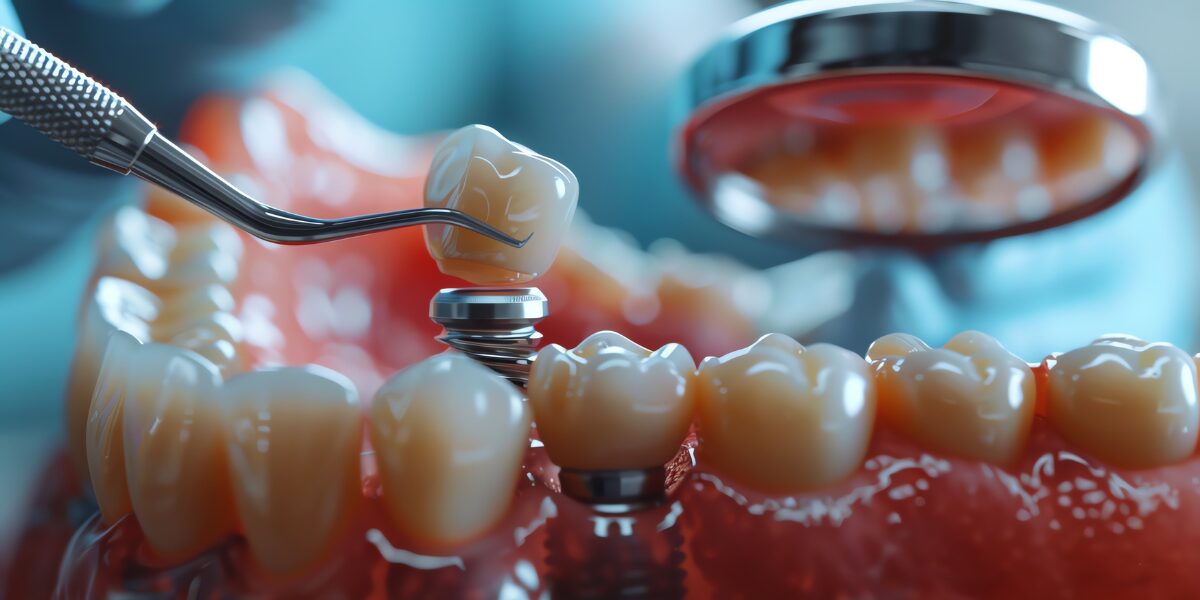
Before deciding if dental implants are right for you, it’s important to understand what they are. A dental implant is a titanium post that is surgically placed into the jawbone to replace a missing tooth’s root. Once the implant fuses with the bone, a crown, bridge, or denture is attached, restoring both function and appearance to the mouth. Implants are durable, long-lasting, and look like natural teeth.
Age Considerations for Dental Implants
One of the first factors considered when determining eligibility for dental implants is age. Ideally, candidates should be adults with fully developed jawbones. The bone needs to be stable enough to support the implant. In children and teenagers, the jaw is still growing, which can pose challenges for the proper placement of implants. While there’s no upper age limit, older adults need to be in overall good health to ensure the procedure’s success.
Oral Health and Bone Density
Good oral health is essential for successful dental implants. Candidates should have healthy gums that are free of disease and a strong, stable bone structure in the jaw. Bone density is especially important because the implant needs to integrate with the bone. If you’ve had a tooth missing for a long time, you may have experienced bone loss in that area. This can make it difficult for the implant to fuse properly with the bone.
If bone loss is a concern, there are options to help. Bone grafting can restore lost bone tissue, making it possible for the implant to be placed successfully. However, the grafting process requires additional time and recovery. Your dentist will assess your bone density and recommend the best course of action for you.
Gum Health and Jawbone Support
Your gums play an important role in supporting dental implants. If you have gum disease or gum recession, you may not be a good candidate for implants until these issues are addressed. Healthy gums are essential for keeping the implant in place and preventing complications. Gum disease must be treated before proceeding with dental implants.
In addition to gum health, the condition of your jawbone is a key consideration. As mentioned earlier, a lack of jawbone density can affect your candidacy. A thorough evaluation of your jawbone and gum health will help your dentist determine whether implants are an appropriate option.
Systemic Health Conditions
Certain systemic health conditions can affect your ability to get dental implants. Conditions such as uncontrolled diabetes, osteoporosis, or certain heart conditions can increase the risks of implant failure. It’s essential to provide your dentist with your complete medical history, including any medications you may be taking. Conditions that affect bone healing, like diabetes, can impact the success of the procedure, so it’s crucial to manage these conditions before undergoing implant surgery.
Smoking can also interfere with the healing process and increase the risk of implant failure. Smokers are more prone to infections and slower healing, so if you smoke, it’s a good idea to stop or reduce smoking before undergoing the procedure.
The Procedure and Recovery
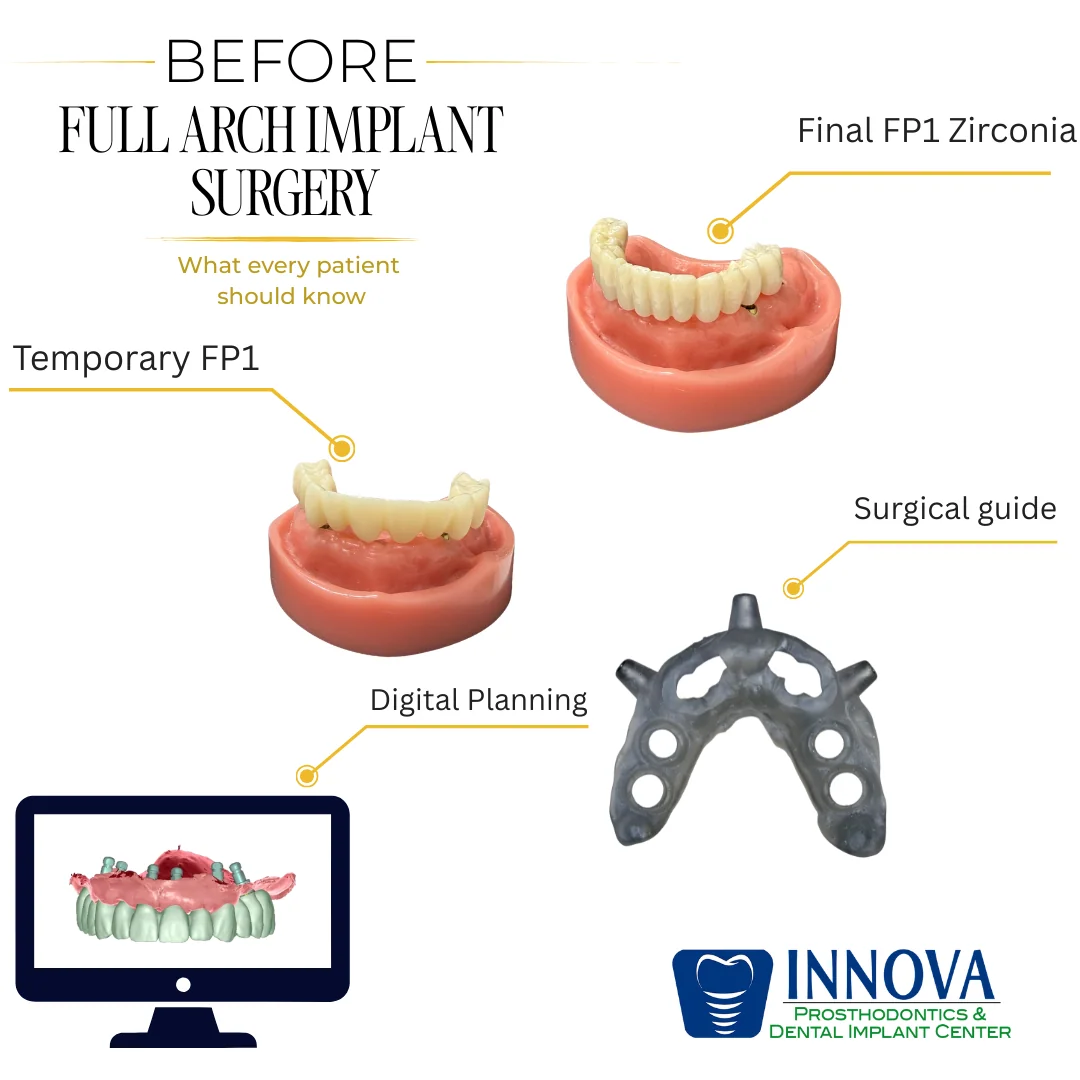
The process of getting dental implants typically involves several stages: consultation, implant placement, healing, and final restoration. After the implant is placed in the jawbone, there’s a healing period during which the bone fuses with the implant. This process can take several months, and during this time, it’s important to follow your dentist’s instructions for care and recovery.
Once the implant is securely in place, a crown or bridge is attached, completing the restoration. The final result is a natural-looking and functioning tooth replacement that can last for many years with proper care.
Financial Considerations
The cost of dental implants can vary depending on the number of teeth being replaced, the complexity of the procedure, and any additional treatments that may be required, such as bone grafts. While dental implants are generally more expensive than traditional dentures or bridges, they are a long-term solution that can save you money over time by reducing the need for replacements or repairs.
Many dental practices offer financing options, which can help make the procedure more affordable. Be sure to inquire about payment plans and insurance coverage when considering your options.
Dental implants offer a reliable and long-lasting solution for missing teeth, but not everyone is automatically a candidate for the procedure. Your oral health, bone density, age, overall health, and lifestyle choices will all play a role in determining whether you’re a good candidate for implants. If you’re considering dental implants, consult with an experienced dentist to assess your eligibility and discuss your treatment options. If you’re ready to explore dental implants, reach out to Innova Implant Center for a consultation.



Leave A Comment