
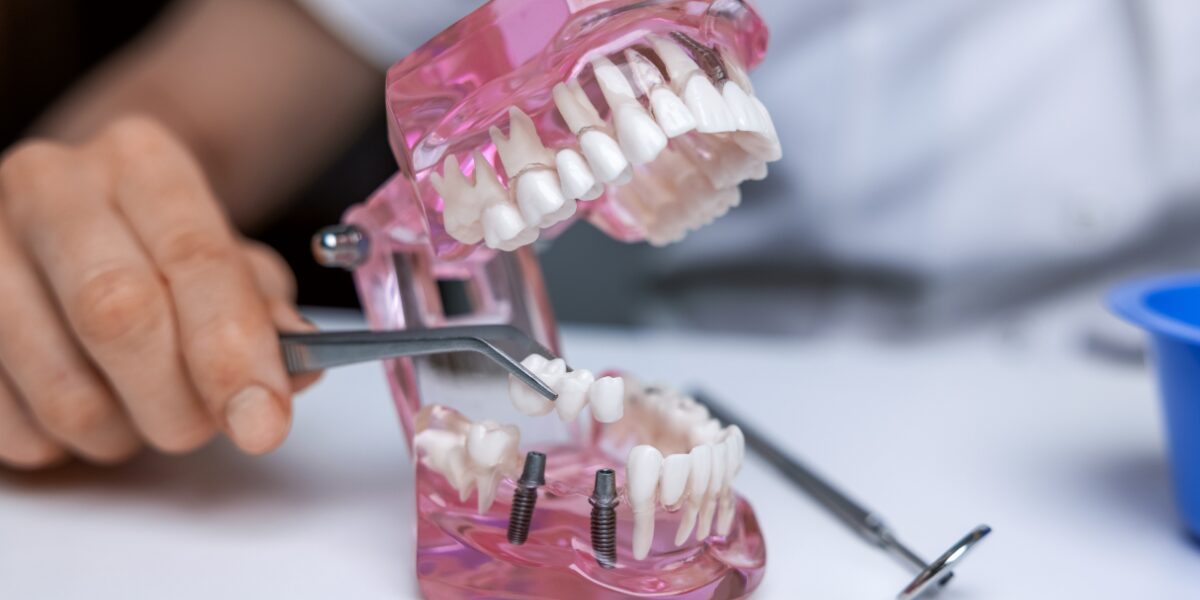
Dental implants have become a widely trusted solution for individuals looking to restore their smile after tooth loss. Offering more than just a cosmetic fix, implants provide stability and durability that closely mimic natural teeth. But with the wide variety of options available, it’s important to understand which type of implant might be best suited to your needs. Whether you’re missing one tooth or need a full arch restoration, different types of implants offer specific advantages. Let’s break down the main categories of dental implants and what sets them apart.
1. Endosteal Implants: The Most Common Choice
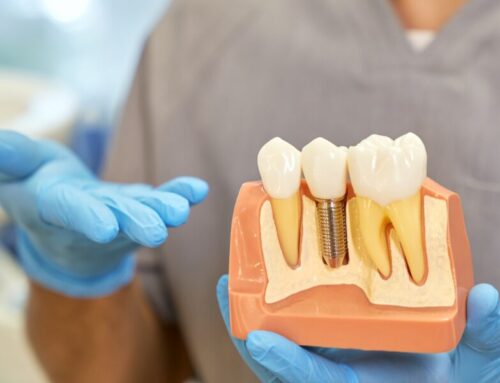
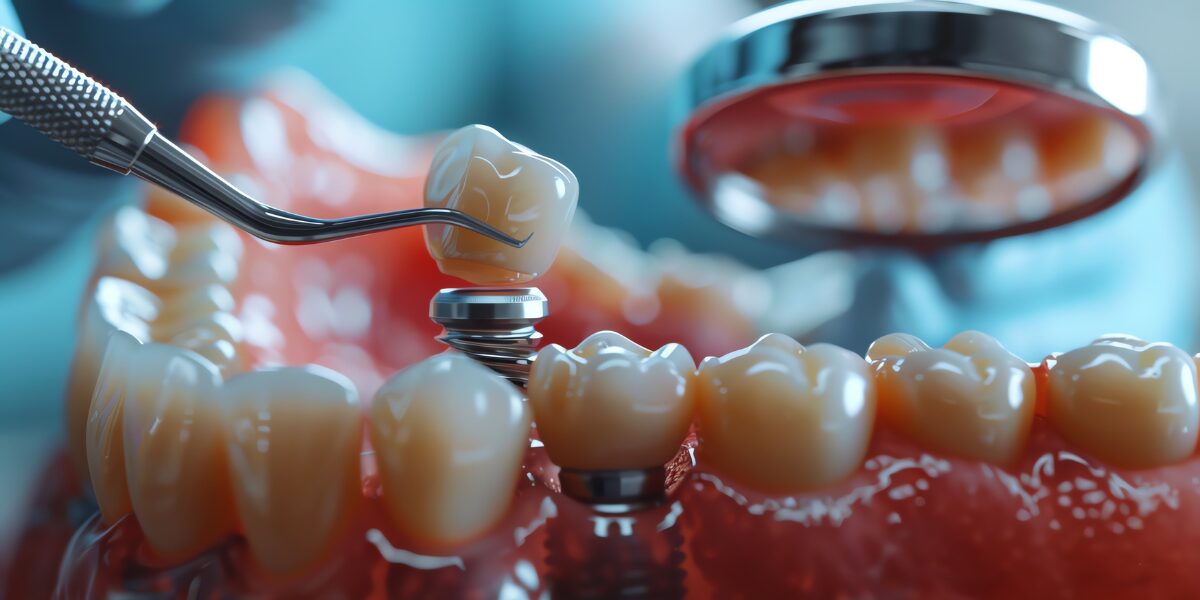
Endosteal implants are the most commonly used type of dental implant. Made from biocompatible materials such as titanium, these implants are surgically placed into the jawbone. Over time, the implant integrates with the bone, providing a sturdy foundation for one or more artificial teeth.
Endosteal implants come in two primary forms: screw-type (which are shaped like a small screw) and cylinder-type. Both designs offer a high degree of stability, but your dentist will determine which shape is more appropriate based on the structure of your jaw.
One key advantage of endosteal implants is their high success rate. Because they fuse directly to the jawbone, they create a robust anchor for dental crowns or bridges. However, this type of implant requires sufficient bone density in the jaw to support the implant. If bone loss has occurred due to prolonged tooth loss, a bone graft may be necessary before placing the implant.
2. Subperiosteal Implants: Ideal for Patients with Bone Loss
Subperiosteal implants are less commonly used than endosteal implants, but they are the go-to option for patients who don’t have enough bone mass in their jaw and either don’t want or cannot undergo a bone graft.
Rather than being placed inside the jawbone, subperiosteal implants rest on top of the bone but underneath the gum tissue. A metal framework is placed beneath the gums, and the prosthetic teeth are attached to the frame.
The main advantage of subperiosteal implants is that they are less invasive than endosteal implants. Since they don’t require drilling into the bone, patients with significant bone loss can still enjoy the benefits of dental implants without the need for additional procedures. However, these implants are less secure than their endosteal counterparts and may not be suitable for all situations, particularly when multiple teeth need to be replaced.
3. All-on-4 Implants: A Full Arch Solution
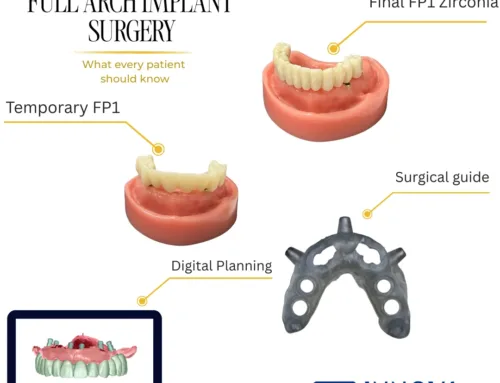
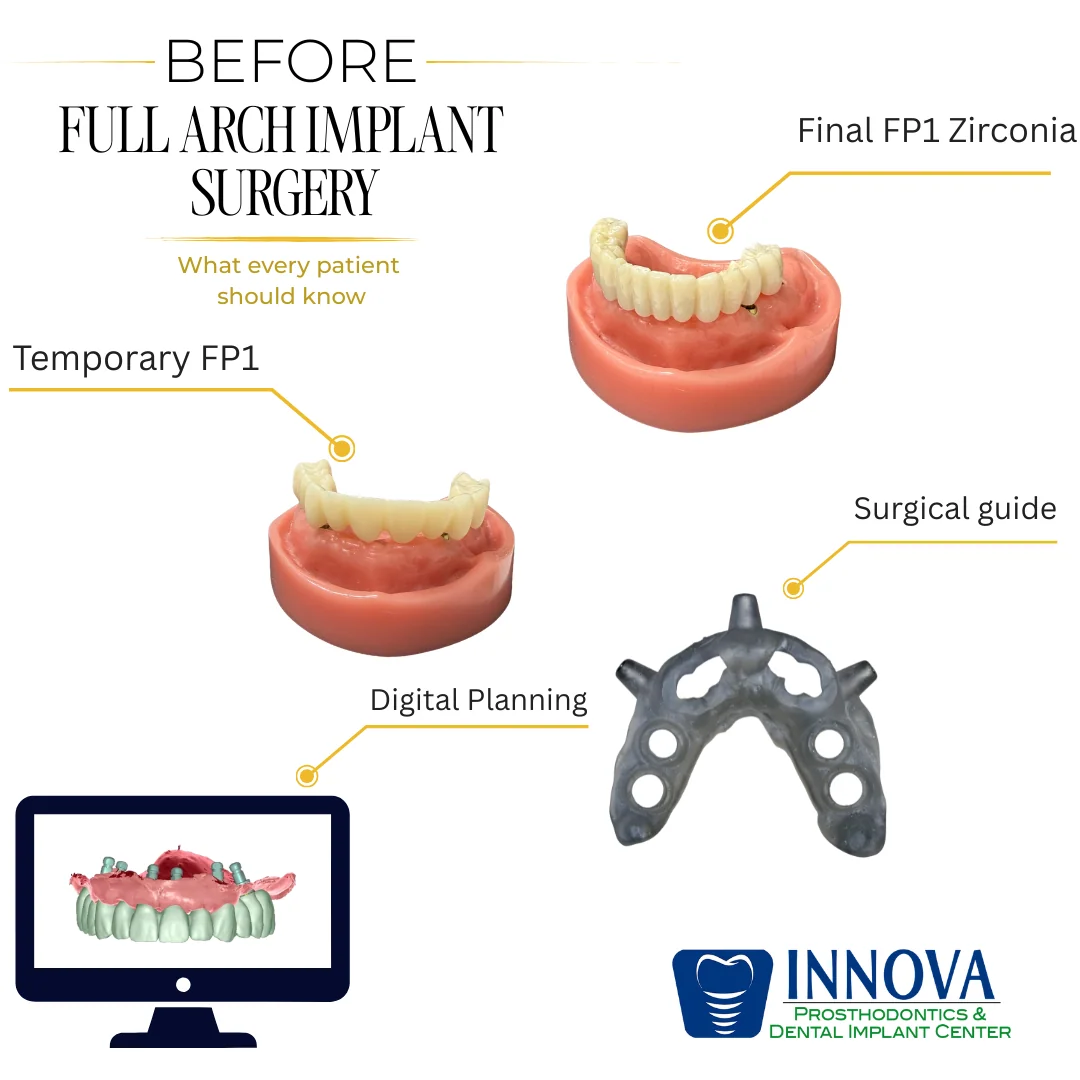
For patients who need to replace an entire upper or lower arch of teeth, All-on-4 implants are a highly efficient and cost-effective solution. This technique uses just four strategically placed implants to support a full arch of prosthetic teeth.
The All-on-4 system is designed to maximize the available bone, often eliminating the need for a bone graft. Two implants are placed vertically in the front of the jaw, while the other two are positioned at an angle in the back. This angled placement provides added support and stability, allowing the prosthetic teeth to withstand the forces of chewing and speaking.
All-on-4 implants offer the benefit of immediate function. In most cases, patients can leave the dental office with a fully functional set of temporary teeth on the same day their implants are placed. After a healing period, these temporary teeth are replaced with a permanent set of prosthetics.
4. Zygomatic Implants: A Solution for Severe Bone Loss
For patients who have severe bone loss in the upper jaw, zygomatic implants offer an alternative to traditional bone grafting. Instead of being anchored in the jawbone, zygomatic implants are placed in the cheekbone (zygoma), which has more bone volume and density than the upper jaw.
Zygomatic implants are typically used when other types of implants are not an option due to extreme bone loss. While the procedure is more complex, it allows patients who may otherwise be ineligible for implants to receive long-lasting and secure replacements for their teeth.
5. Mini Dental Implants: A Less Invasive Option
Mini dental implants are a smaller version of traditional implants and are often used in situations where space is limited or the patient’s jawbone is insufficient to support a full-sized implant. These implants are commonly used to stabilize dentures or replace smaller teeth like incisors.
Because mini implants are less invasive, the procedure is generally quicker and less painful than placing full-sized implants. The healing time is also shorter, and patients can often resume their normal activities soon after the procedure. However, mini implants are not as strong as traditional implants, so they may not be suitable for larger teeth or areas of the mouth that experience significant bite force.
6. Immediate Load Implants: Teeth in a Day
Immediate load implants, sometimes referred to as “same-day implants,” allow a temporary crown to be placed on the implant the same day as surgery. This is a great option for patients who don’t want to wait several months for their new teeth, which is often the case with traditional implant procedures.
To qualify for immediate load implants, patients must have a strong, healthy jawbone that can support the implant right away. While this option offers quick results, it may not be suitable for all patients, particularly those with compromised bone or gum health.
Dental implants come in a variety of forms to meet the needs of different patients. Whether you’re seeking a single tooth replacement or a full arch restoration, understanding the different types of implants can help you make an informed decision. To determine which option is best for you, it’s essential to consult with an experienced dental professional.
At Innova Implant Center, we specialize in providing personalized solutions to meet your unique dental needs. Schedule a consultation today to explore the options and find the implant solution that’s right for you.



Leave A Comment